Meteosat-12 (MTG-I1)
Weather satellite · EUMETSAT, ESA
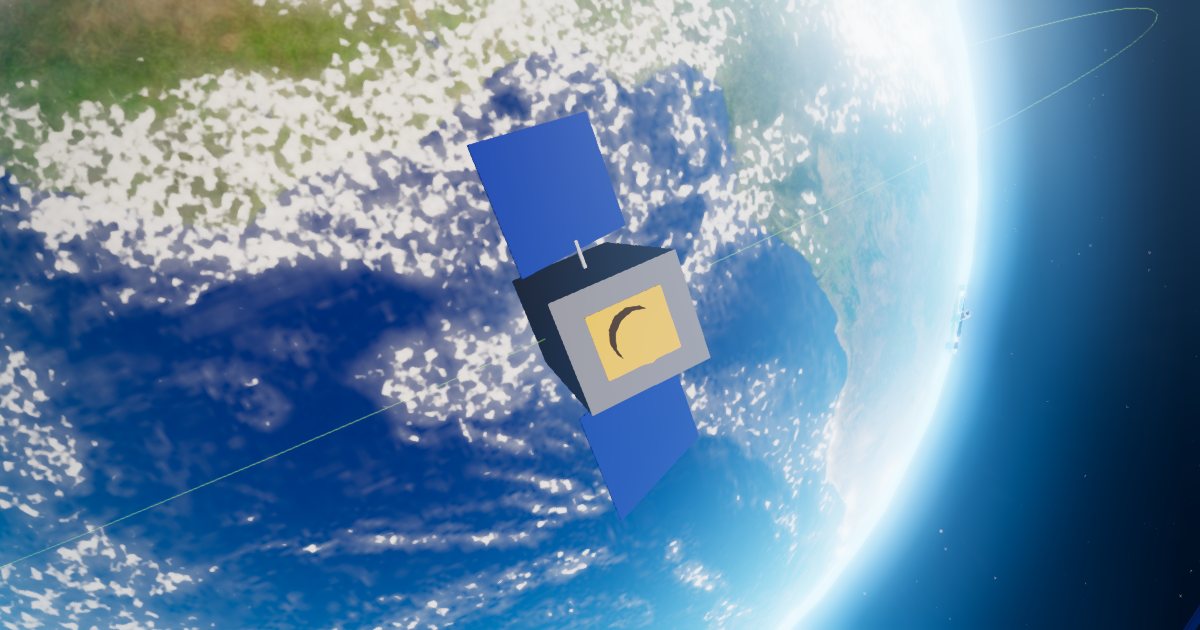
Meteosat-12 is a European satellite that watches the weather. It stays above the same spot, about 36,000 km (22,000 miles) over the equator, off Africa’s coast. Every 10 minutes it takes a picture of the entire side of Earth facing it. That view includes Europe, Africa, and part of the Atlantic. Weather forecasters use its pictures to predict the weather and warn people about storms.
Free, with nothing to install: drag to rotate the view, scroll or pinch to zoom, and change the date with the time bar.
Key data
| Launch | December 13, 2022 | Ariane 5 rocket |
|---|---|---|
| Mass | 3.8 t (8,378 lb) | about 2 t of fuel |
| Earth image | every 10 min | the whole side facing it |
| Service | 8.5 years | planned, with extra fuel |
Facts
Fun fact
Earth spins once in 24 hours. Meteosat circles Earth in 24 hours, keeping pace with Earth's spin. From the ground, it looks like it stays in one spot. That's called a geostationary orbit. The ISS is about 85 times closer to Earth and circles it in 93 minutes. It crosses your sky in just a few minutes and disappears.
For the curious
The satellite stays over the Gulf of Guinea, directly above the prime meridian. Since June 2025, it has been the European weather satellite service’s primary satellite. Its mass is about 3.8 metric tons (8,400 pounds), including about two metric tons of fuel. It images Earth in 16 bands of visible and infrared light. It’s also the first European satellite in geostationary orbit to carry a lightning imager. Its planned service life is 8.5 years, and it carries enough fuel for more than ten years.
Orbits
Key moments
- Launch
- An Ariane 5 rocket launched MTG-I1 from Kourou, French Guiana, on December 13, 2022. The satellite got its name, Meteosat-12, only after it entered service.
- Primary satellite
- In June 2025, Meteosat-12 took over from Meteosat-10 as the primary satellite monitoring Europe’s weather. EUMETSAT reported the change on June 16.